
Pastry
8 baking mistakes beginners make, and how to fix them
The baking mistakes that ruin pancakes, cookies, cheesecake and tiramisu, with a simple fix for each one. Written for home bakers and new café pastry staff.
By the Jex Institute training teamUpdated 6 min read

Quick answer
Most beginner baking problems come from eight habits: measuring by cup instead of weight, trusting the oven dial, using ingredients at the wrong temperature, over-mixing batter, opening the oven early, baking warm cookie dough, cutting cheesecake before it has chilled, and soaking sponge fingers for too long. Each has a simple fix.
Key takeaways
- Weigh ingredients in grams. It removes the biggest source of inconsistency.
- Check your real oven temperature with an oven thermometer.
- Mix batters until just combined and let them rest.
- Chilling is a step, not a pause: cookie dough and cheesecake both depend on it.
1. Measuring by volume instead of weight
A cup of flour can vary a great deal depending on how it is scooped, which is enough to turn a soft cookie into a dry one. Professional kitchens weigh everything, including liquids and eggs. Fix: use a digital scale and follow recipes written in grams.
2. Trusting the oven dial
Many ovens run hotter or cooler than the dial says, and they take longer to preheat than the indicator light suggests. Fix: keep an oven thermometer on the middle shelf and preheat fully before anything goes in.
3. Using ingredients at the wrong temperature
Cold cream cheese leaves lumps in cheesecake batter. Butter that is too warm makes cookie dough greasy. Cold eggs can split a creamed mixture. Fix: read the recipe first and bring ingredients to the temperature it asks for before you start mixing.
4. Over-mixing the batter
Stirring flour and liquid develops gluten. That is useful in bread and unwelcome in pancakes, waffles and cookies, where it makes them tough. Fix: mix wet and dry ingredients only until no dry flour shows, and accept a few small lumps. For crêpes, rest the batter so the gluten relaxes and the crêpes stay thin and tender.
5. Opening the oven door too early
Every time the door opens, the temperature drops and steam escapes. Cakes can sink and cheesecakes can crack. Fix: use the oven light and wait until at least three quarters of the baking time has passed before checking.
7. Cutting cheesecake before it has set
Cheesecake finishes setting in the fridge. Sliced warm, it smears and collapses. This is true for no-bake cheesecake and for San Sebastian cheesecake, which is baked very hot (the Jex Institute recipe uses 230°C) so the top burns while the centre stays creamy. Fix: cool to room temperature, then refrigerate for several hours before slicing with a hot, clean knife.
8. Soaking sponge fingers for too long
Sponge fingers absorb liquid in a second or two. Leave them in the espresso any longer and the tiramisu turns soggy and will not hold a clean layer. Fix: dip each one quickly, lay it straight into the dish, and chill the finished dessert so the layers set.
A quick pre-bake checklist
Run through this list before you start any recipe.
- Read the whole recipe once.
- Weigh every ingredient before mixing.
- Bring ingredients to the stated temperature.
- Preheat the oven and check it with a thermometer.
- Line trays and tins before the batter is ready.
- Plan the chilling time into your schedule.
Learning these techniques hands-on
These are the same fundamentals taught in the Professional Pastry & Baking Course at Jex Institute, which covers waffles, pancakes and crêpes, tiramisu, no-bake and San Sebastian cheesecake, chocolate chip cookies and dessert decoration. Around 90% of class time is practical, ingredients are provided, and you take home what you bake. If you are planning a café menu, pair it with our guide on how to open a coffee shop in Dubai.
FAQ
Common questions
Why are my cookies flat?
Flat cookies usually come from warm dough, butter that was too soft, or a hot tray. Chill the portioned dough and bake it on a cool, lined tray.
Why did my cheesecake crack?
Cracks come from over-baking, over-beating air into the batter, or a sudden temperature drop. Mix on low speed, avoid opening the oven early and let the cheesecake cool gradually.
Why are my pancakes tough?
Tough pancakes are over-mixed. Stir only until the flour disappears, leave small lumps in the batter and let it rest for a few minutes before cooking.
Keep exploring
Courses that teach this
PastryPastry & Baking Course
Hands-on pastry training for café menus: breakfast classics, tiramisu, cheesecakes, cookies and professional dessert decoration.
- Length
- 4 weeks intensive, or 8 weeks part-time
- Fee
- AED 999
View course
 Barista
Speciality Barista Course
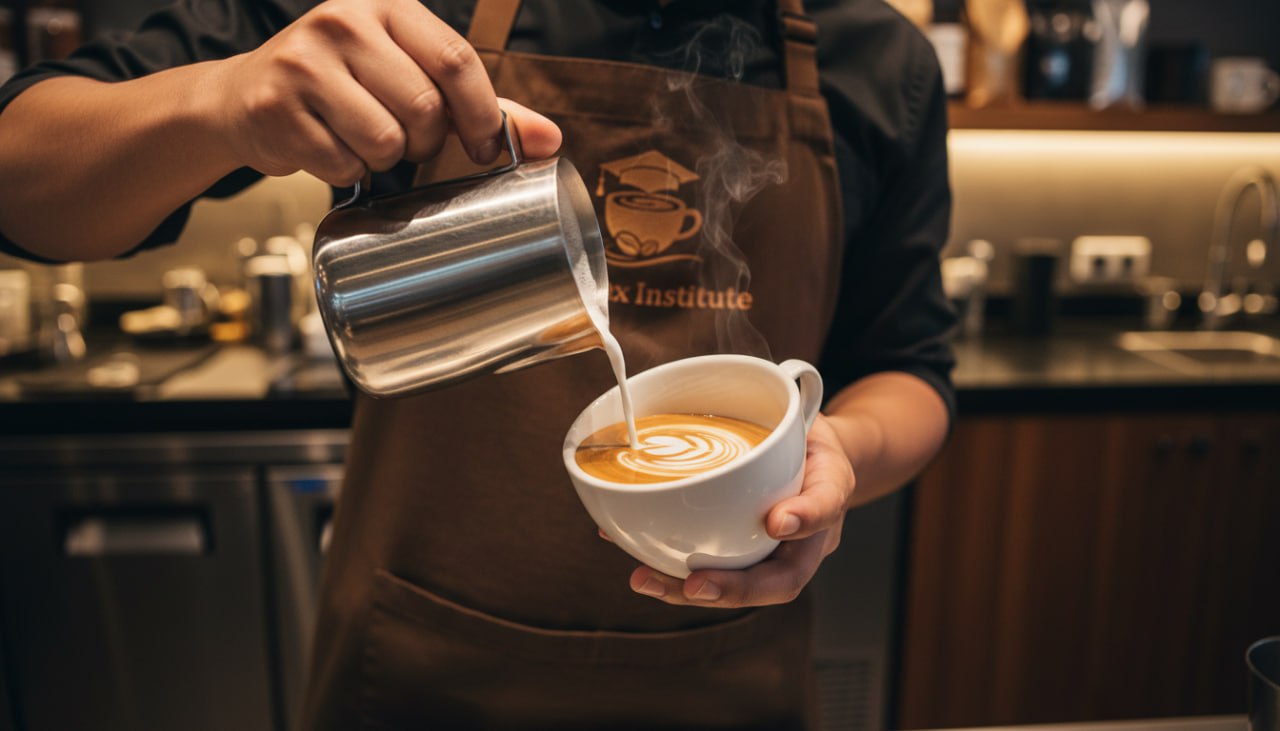
Go beyond the basics and learn the skills that define a professional barista, from precise espresso calibration and milk steaming to latte art, manual brewing and the full café drinks menu.
- Length
- 6 weeks daily, or 2–3 months part-time
- Fee
- AED 1,999
View course
From our trainers
Keep reading

Café business7 min read
How to open a coffee shop in Dubai: a practical checklist
The main steps to open a coffee shop in Dubai: concept, trade licence and food safety approvals, location, equipment, menu costing and staff training.
Careers5 min read
How much does a barista course cost in Dubai?
What barista courses cost in Dubai, what the fee should include, and how Jex Institute prices its barista, roasting and pastry courses, with instalment options.
Train with the people who wrote this
Classes run daily in Al Baraha, Deira, with morning, evening and Sunday options.